White water rafting has real risks. You are on a fast-moving river, working with a team, and relying on quick decisions. That is part of the appeal, but it also means safety matters.
At Kaituna Cascades, we take safety seriously. We run guided trips with trained staff, proven systems, and the right gear for the river. We also keep our briefings simple, so you know what to do before you get on the water.
A common question we hear is, “How dangerous is white water rafting?” The honest answer is that it depends on the river, the conditions, and how well the trip is managed. The good news is that most risks are predictable and can be reduced when everyone plays their part.
White water rafting runs are grouped by “grades” to describe how hard the river is. Lower grades tend to have smaller waves and simpler lines. Higher grades can include bigger drops, stronger currents, tighter turns, and faster decisions.
Grade levels can also change. Rainfall, water flow, and seasonal conditions can make the same stretch feel very different from one week to the next. That is why good operators assess conditions daily and choose safe lines based on what the river is doing.
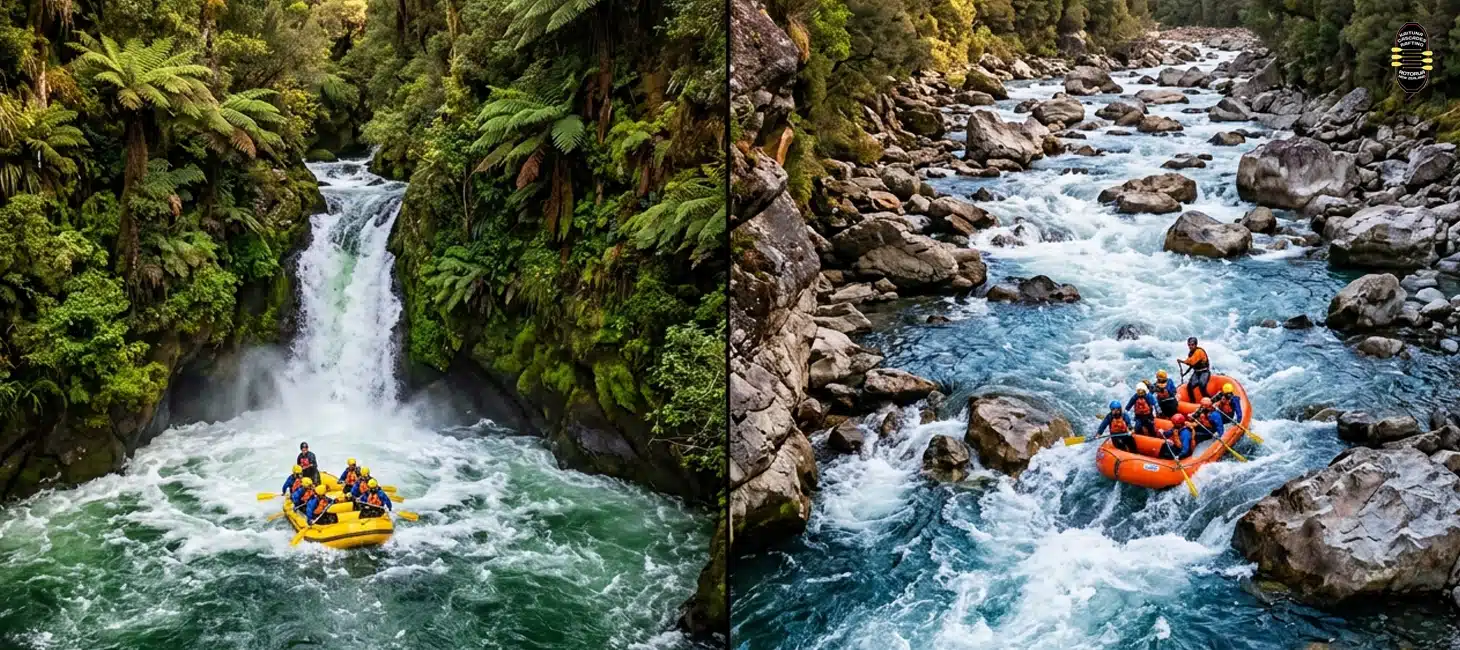
Grade 5 rafting sits at the top end of commercial rafting. It is not the place for guesswork. You want trained guides, the right gear, a clear safety briefing, and a team that paddles together. When those pieces are in place, the experience becomes far more controlled and predictable.
Rafting has real risks, but most risks are manageable when the trip is run well and guests follow instructions. Safety starts before you touch the water.
When everyone works as one team, the trip runs more smoothly and safely.
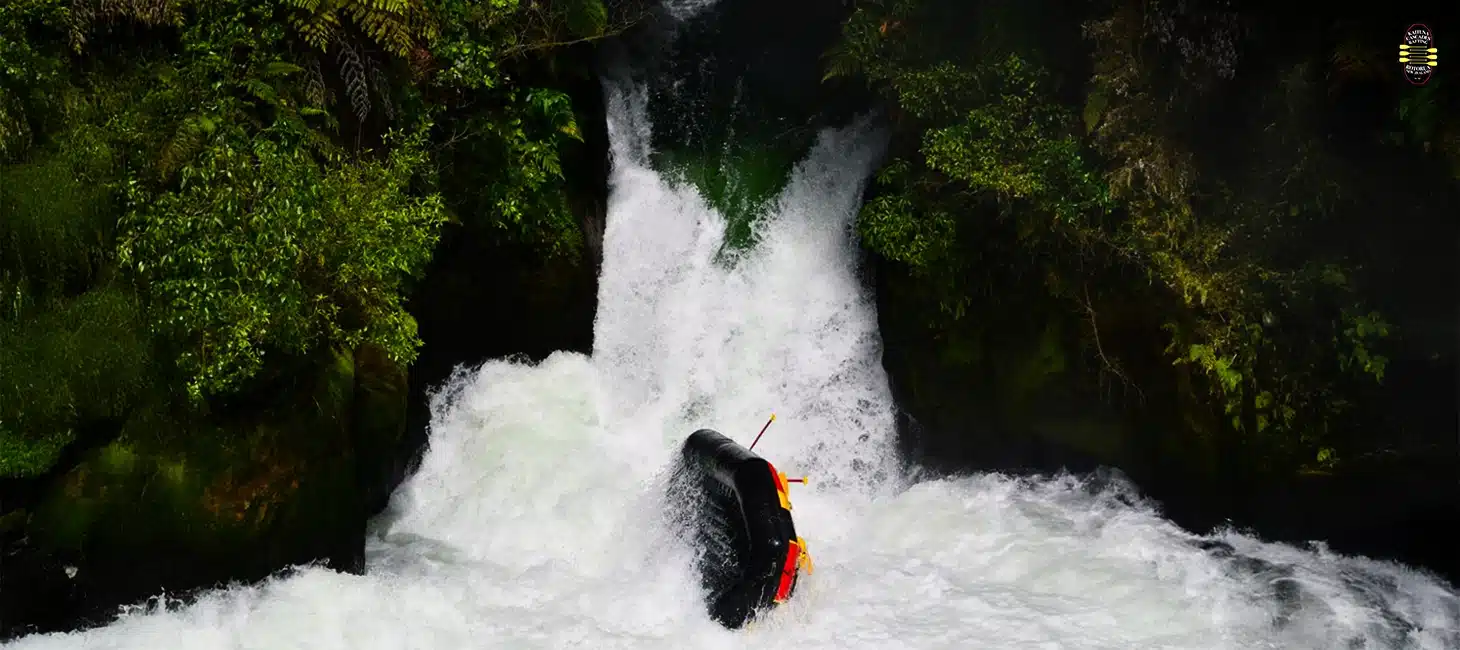
White water rafting does involve real risks, and it helps to be honest about that. The good news is that most risks are predictable. They usually come from river grade and conditions, obstacles in the water, cold exposure, and human factors like fatigue or not following instructions.
This section breaks down the main dangers you should understand before you book. For each one, we explain what it means in plain terms, then how it is managed through guide controls and simple actions you can take as a guest. The goal is not to scare you. It is to help you feel informed, prepared, and confident before you get on the river.
What it means:
The type of craft on the river changes stability and control. Commercial rafting uses larger inflatable rafts designed for white water. Smaller private craft, such as kayaks or canoes, require more skill to balance and self-rescue.
How it’s managed:
On guided trips, we use rafts designed for these conditions, with grip points and a setup that supports stability. We also place people in positions that help the raft stay balanced in stronger water.
What you can do:
Sit where your guide asks you to sit and keep your feet placed correctly. Hold on when told, and paddle to the timing calls. Most raft control comes from the team moving together.
What it means:
Higher-grade rivers tend to have more power and less time to react. You can face bigger waves, stronger currents, and technical lines through rapids.
How it’s managed:
We assess conditions and choose lines based on the day’s flow. We also explain the commands before the trip starts, so you understand what to do when the river speeds up.
What you can do:
Be ready to paddle when asked and stop when asked. If you feel unsure at any point, tell your guide early so they can support you.
What it means:
On many rivers, rocks and shallow sections can lead to bumps and jolts. In stronger rapids, a collision can also knock people off balance if they are not braced well.
How it’s managed:
Guides read the water to avoid hazards and choose the cleanest line. On the Kaituna, many sections are known for deeper water and powerful current rather than shallow rock gardens. That said, all rivers have features, so control and positioning still matter.
What you can do:
Stay in the correct seating position and keep your weight steady. Avoid sudden leaning or standing, because it changes raft balance when it matters most.
What it means:
Any water activity carries a drowning risk. The risk rises if someone panics, becomes exhausted, or gets stuck in an unsafe position. Cold water can also affect breathing and energy, especially after a surprise swim.
How it’s managed:
We use safety gear such as lifejackets and helmets, and we train guides for rescue and recovery. We also teach you what to do if you fall out, including how to float and how to get back to the raft.
What you can do:
If you fall in, stay calm and follow the steps from the safety brief. Keep your lifejacket fitted correctly, and listen for guide’s instructions. If you have a health concern that affects breathing or stamina, talk to us before you book.
What it means:
Many common knocks come from people and paddles, not the river. This can include bumping helmets, lifting a paddle too high, or letting go at the wrong time.
How it’s managed:
We coach safe paddle handling and body position, especially before key features. We also keep the team in rhythm, because most minor injuries happen when people move out of sync.
What you can do:
Keep a firm hold on your paddle and keep movements controlled. Follow “tuck” and “lean” instructions at drops. Slow, deliberate actions reduce accidents when the group feels excited.
Most rafting risks get worse when people do not have the right gear, the right guide, or the right understanding of what to do. That is why we run structured briefings, give clear commands, and encourage you to ask questions before you start.
In the end, your danger level depends on the river, the conditions, and how well you follow instructions. If you choose a professional operator and do your part, rafting can be a well-managed adventure with clear safety controls.
If you are unsure whether white water rafting is right for you, reach out to our team. We are happy to talk through the experience, what to expect, and how to prepare, so you can make a confident choice.

This was a great couple bonding experience that took us both to the edge of our comfort zones. Could not speak highly enough of the professionalism of the guiding team - yet making the whole experience one of such fun.

MY FAVOURITE EXPERIENCE IN NZ SO FAR. TOOK THE 9AM TOUR TODAY AND ALREADY CAN'T WAIT TO COME BACK. THE RAFTING WAS SO MUCH FUN AND THE TOUR GUIDES ARE HILARIOUS. NEVER FELT IN ANY DANGER JUST ENJOYED THE RIDE! WOULD RECOMMEND TO ANYBODY. I WENT AS A SOLO TRAVELLER AND IT WAS STILL REALLY ENJOYABLE.
Brilliant! We had heaps of fun. Guides were friendly and made us feel safe and comfortable. Highly recommended to all!
Fantastic outfit. The crew were cheeky as but super professional. We felt safe throughout the entire experience. 11/10 and a big shoutout to Rob for being a GC.
White water rafting at its best. Wonderful guides. A must do when in or around Rotorua. Felt safe, but had the best time.
Great experience! Made me feel safe when I was scared!! You the m san Owen! So glad I did it. It is beautiful!
The guide, Sam, went out of his way to make the trip as fun and exciting as possible. The whole team were friendly and inclusive.
Cole was a really good guide, talked us through everything and had a good laugh. The water was nice, not cold at all. They provide wetsuits, footwear, helmets, life jackets and polo fleeces. Worth the money and would do it again. Recommend going in a group so that you can split the cost of photos.
Unbelievable experience rafting the 7m waterfall this morning! Even more fun when the boat flipped!! Highly recommend! Great fun and great instructors!! Shout out to Pete From the Irish girls.
© 2026 | Kaituna Cascades | All Rights reserved | Designed by